Why Are My Floating Shelves Leaning Forward? How to Fix Them
Discover why your floating shelves are leaning forward and how to fix them. Follow our expert guide to secure your shelves and prevent future sagging.
Discover why your floating shelves are leaning forward and how to fix them. Follow our expert guide to secure your shelves and prevent future sagging.
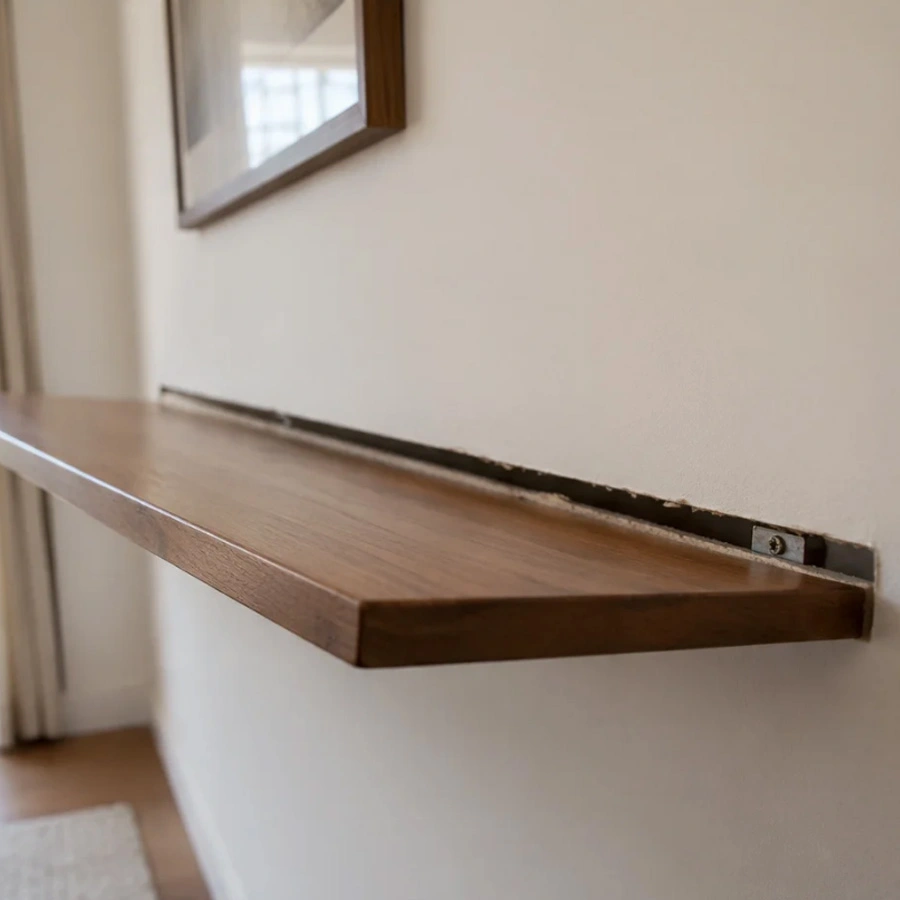
Are your floating shelves leaning forward? Nothing ruins the minimalist aesthetic of a modern room faster than a shelf that looks like it is about to slide off the wall. Floating shelves are popular for their clean, invisible support, but this design relies heavily on proper physics and mounting. When they start to sag or lean, it is usually a sign that your mounting hardware is under stress or was not installed deep enough into the wall studs.
The primary issue with floating shelves is leverage. The further the shelf extends from the wall, the more pressure it puts on the mounting bracket. If the bracket is not rigidly attached to the wall studs, the weight of the objects on the shelf acts as a lever, pulling the top of the bracket out of the drywall.
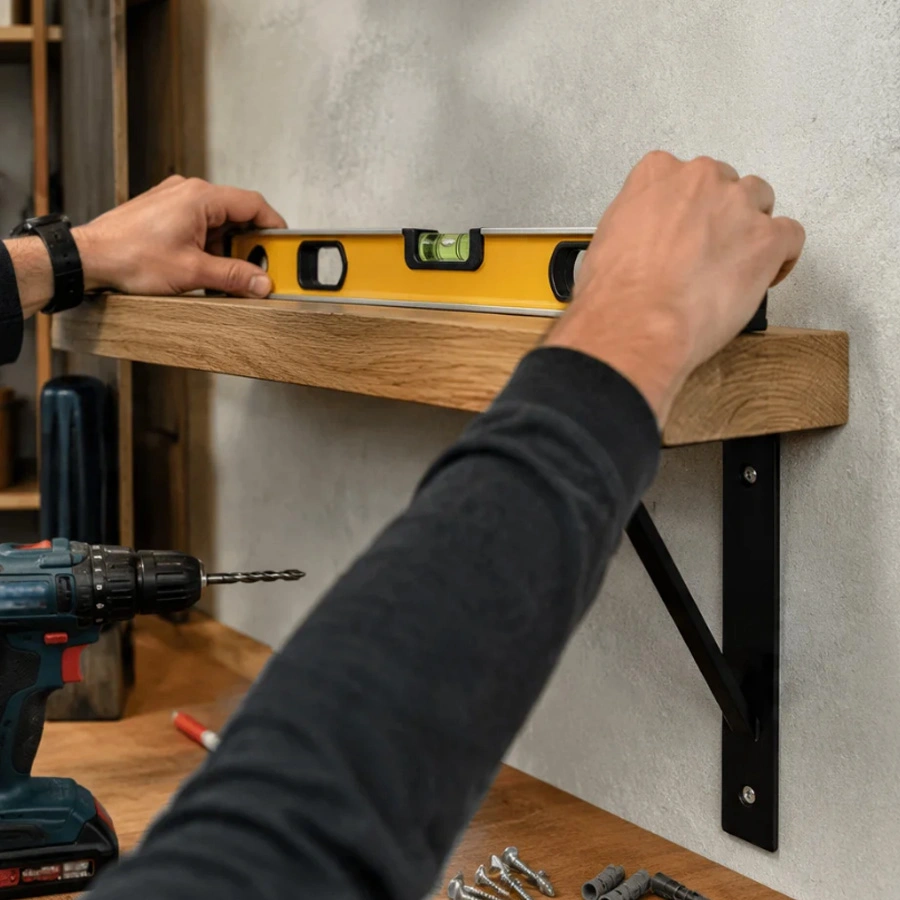
To fix a leaning shelf, you must first remove it from the wall to inspect the mounting hardware. Check if the screws are loose or if the metal bracket has bent under the weight. If the metal has bent, it will never be perfectly straight again, and you should consider upgrading to a heavy duty steel bracket system.
Ensure that your brackets are anchored directly into wooden wall studs. If your studs are not positioned where you need the shelf to be, you must install a backing board first. A backing board spreads the load across multiple studs and provides a secure surface for your shelf hardware.
Always consider the weight limit of your shelf. If you plan to store heavy books or kitchen appliances, ensure your mounting rods penetrate at least 3 inches into the wall structure. Regularly tightening your screws and checking that the shelf remains level will ensure your project lasts for years.
Floating shelves usually lean forward because of loose mounting hardware, insufficient bracket length, heavy loading beyond capacity, or failure to secure the brackets directly into wall studs.
Yes. A shelf leaning forward indicates a failure in the mounting system. If left unaddressed, the shelf will eventually pull out of the wall, potentially damaging your drywall or harming items placed on it.
You must remove the shelf, inspect the brackets for bending, ensure they are tightly screwed into wall studs, and possibly install a larger bracket system designed for heavier loads.
Fix your shelf, then explore our full 23+ Woodworking Plans PDF bundle to build your next project with structural integrity.
Get The Complete Bundle ↗
Master Woodworking Educator · Since 2004 · 2,800+ Students Taught
Mahasa is a Master Woodworking Educator with over 20 years of hands on experience in furniture making. He has helped thousands of students from complete beginners to aspiring professionals build beautiful, functional pieces with confidence. His 23+ Essential Woodworking Plans PDF collection is trusted by students in over 50 countries. Learn more about Mahasa →
